
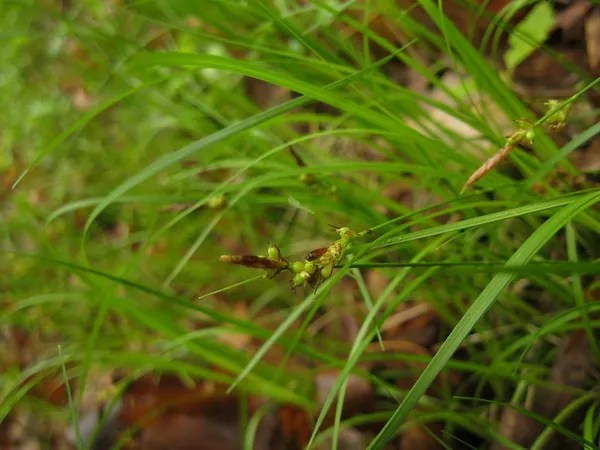
Pennsylvania sedge forms soft, grassy ground cover in shade, useful beneath taller plants or as a lightly used lawn alternative.
- Height
- 2–21 cm / 0.1–0.7 ft
- Spread
- 2–31 cm / 0.1–1 ft
- Light
- Shade / Partial shade
- Soil moisture
- Dry / Moist, well-drained
- Flowering
- Spring
- Maintenance
- Low
- USDA zones
- 3a–8b
Planting
Choose a shaded site with dry to moist soil. It is especially useful in woodland planting and generally performs better in cooler climates.
Care
Leave the foliage to form a loose carpet, or mow once or twice a growing season if a shorter lawn-like surface is wanted. It can die back in severe cold.
Before planting: It does not tolerate heavy foot traffic.
Planting Pennsylvania sedge?
Find a landscaper nearby to help with planting and establishment.
Find a landscaperMore plants to explore
Sources & photo credit
Plant reference: NC State Extension Gardener Plant Toolbox. Content checked . Flowering seasons vary with local climate; USDA zones describe winter cold tolerance.
- Pennsylvania sedge: Erutuon · CC BY-SA 2.0. Resized, converted to WebP and cropped for display.
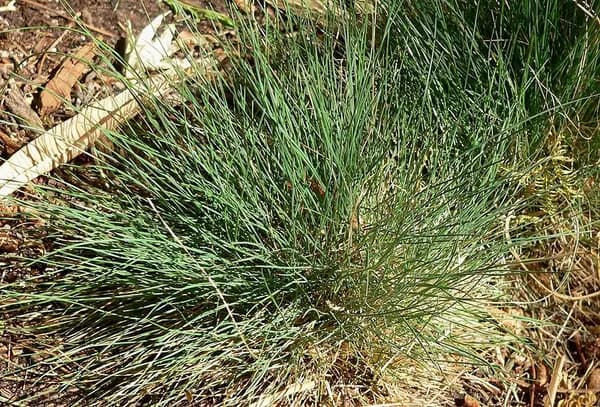
- Tufted fescue: Stan Shebs · CC BY-SA 3.0. Resized, converted to WebP and cropped for display.
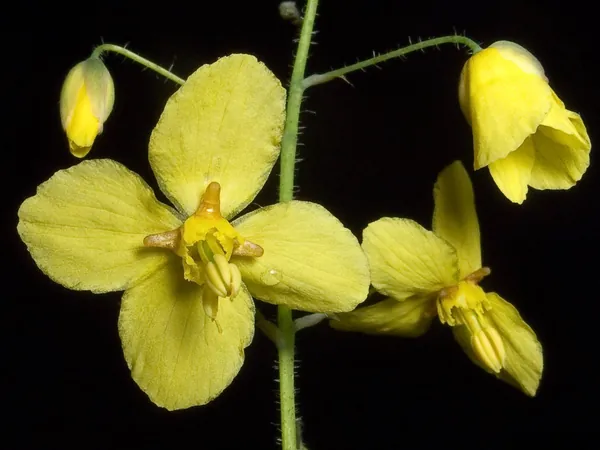
- Barrenwort: Peter coxhead · CC BY-SA 3.0. Resized, converted to WebP and cropped for display.
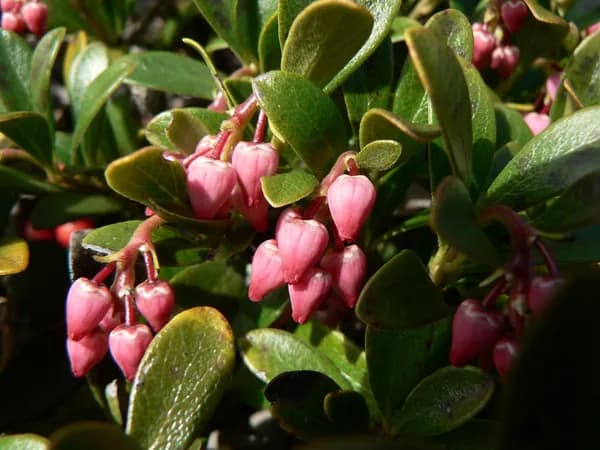
- Bearberry: Walter Siegmund · CC BY-SA 3.0. Resized, converted to WebP and cropped for display.