
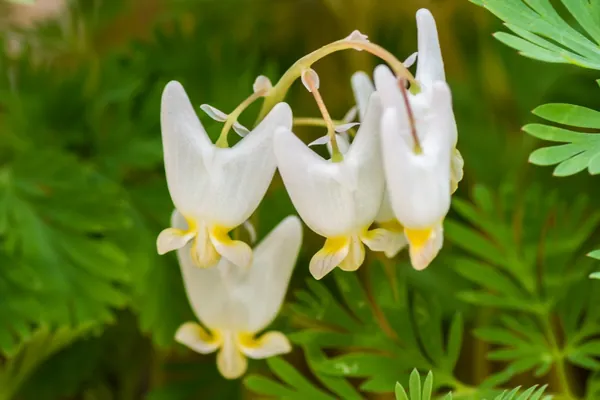
Dutchman's breeches brings arching rows of white spring flowers above fern-like leaves, then disappears underground as summer arrives.
- Height
- 7–16 cm / 0.2–0.5 ft
- Spread
- 15–21 cm / 0.5–0.7 ft
- Light
- Shade / Partial shade
- Soil moisture
- Moist, well-drained
- Flowering
- Spring
- Foliage
- Deciduous
- Maintenance
- Low
- USDA zones
- 3a–7b
Planting
Choose a moist woodland or shaded border with humus-rich, acidic to neutral soil. Combine with later-emerging perennials so the space remains planted after its foliage disappears.
Care
Treat the summer disappearance as normal dormancy. Increase an established planting by division or root cuttings in spring or autumn; raising it from seed can be slow and difficult.
Before planting: All parts are toxic if swallowed in quantity.

Planting Dutchman's breeches?
Find a landscaper nearby to help with planting and establishment.
Find a landscaperMore plants to explore
Sources & photo credit
Plant reference: NC State Extension Gardener Plant Toolbox. Content checked . Flowering seasons vary with local climate; USDA zones describe winter cold tolerance.
- Dutchman's breeches: Andrew Cannizzaro · CC BY 2.0. Resized, converted to WebP and cropped for display.
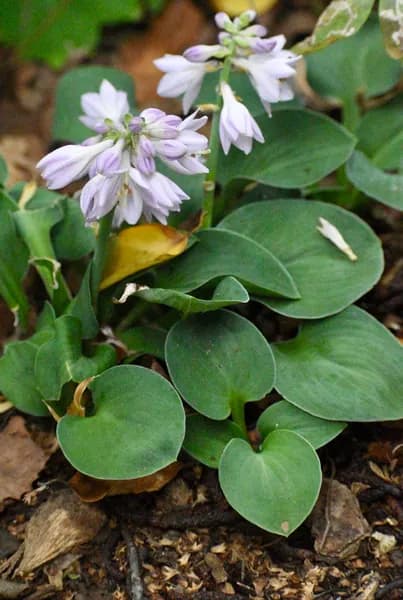
- 'Blue Mouse Ears' hosta: Cathy Dewitt · CC BY 4.0. Resized, converted to WebP and cropped for display.
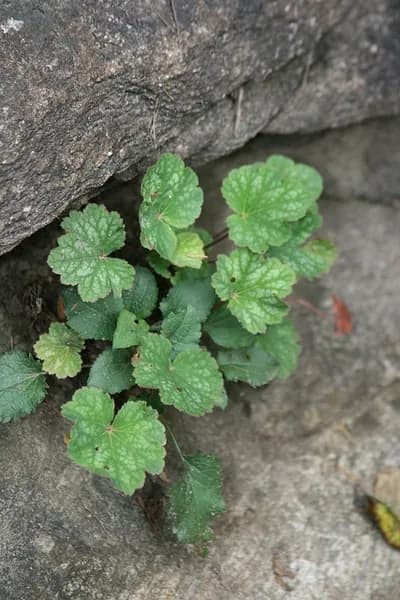
- American alumroot: Behnke Nurseries, Inc. · CC BY 4.0. Resized, converted to WebP and cropped for display.
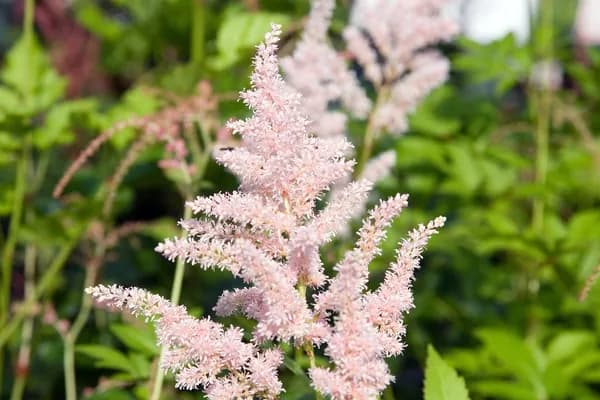
- Astilbe: David J. Stang · CC BY-SA 4.0. Resized, converted to WebP and cropped for display.