
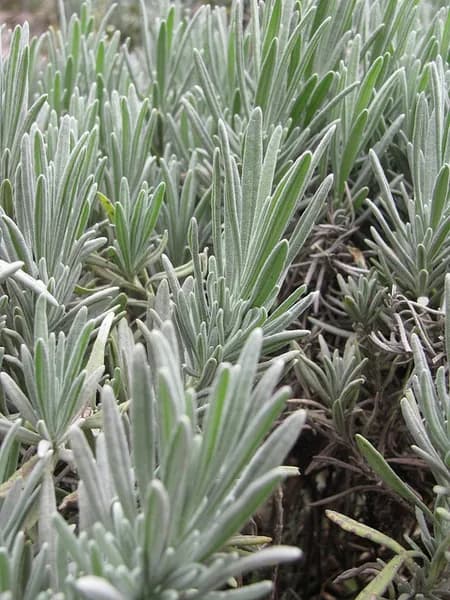
Lavandin forms an aromatic mound with tall, scented flower spikes, generally growing larger and flowering later than many other lavenders.
- Height
- 60–92 cm / 2–3 ft
- Spread
- 60–92 cm / 2–3 ft
- Light
- Full sun
- Soil moisture
- Dry
- Flowering
- Summer
- Foliage
- Semi-evergreen
- Maintenance
- Medium
- USDA zones
- 5a–8b
Planting
Choose full sun and well-drained, neutral to alkaline soil. Use a dry border or sunny path edge where the foliage and flowers can be enjoyed at close range.
Care
Remove faded flower spikes to encourage more bloom. Trim for shape in spring, avoiding autumn cuts that can produce tender growth before winter; keep the roots out of persistent wetness.
Before planting: Flowers, leaves and stems can cause illness if eaten in large quantities.
Planting Lavandin?
Find a landscaper nearby to help with planting and establishment.
Find a landscaperMore plants to explore
Sources & photo credit
Plant reference: NC State Extension Gardener Plant Toolbox. Content checked . Flowering seasons vary with local climate; USDA zones describe winter cold tolerance.
- Lavandin: Forest and Kim Starr · CC BY 2.0. Resized, converted to WebP and cropped for display.
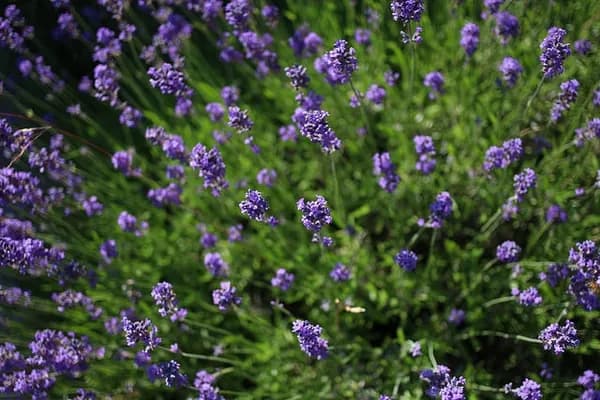
- English lavender: Mats Hagwell · CC BY 2.0. Resized, converted to WebP and cropped for display.
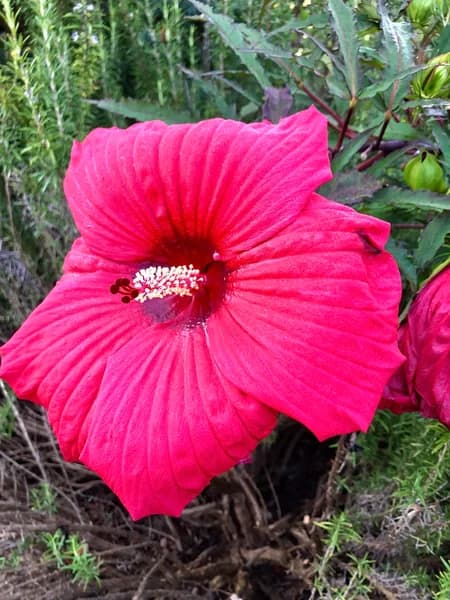
- 'Fireball' hibiscus: Cathy DeWitt · CC BY 4.0. Resized, converted to WebP and cropped for display.
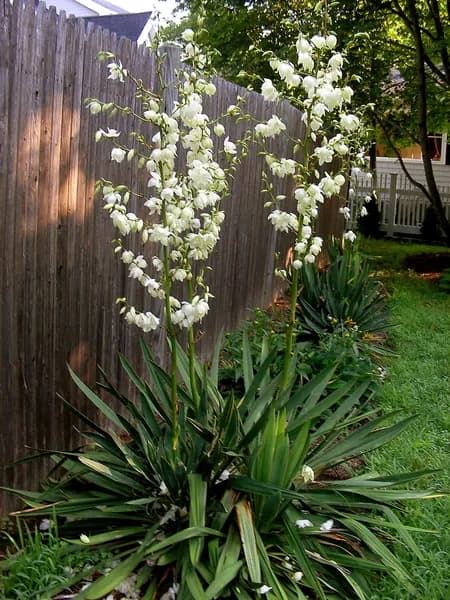
- Adam's needle yucca: Carl Lewis · CC BY 2.0. Resized, converted to WebP and cropped for display.