
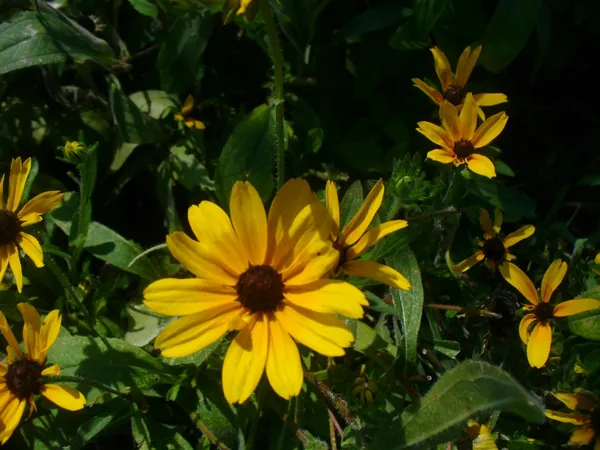
Black-eyed Susan produces yellow daisy-like flowers with dark centres, spreading into clumps that bring a long summer-to-autumn display to borders and naturalised areas.
- Height
- 60–92 cm / 2–3 ft
- Spread
- 30–61 cm / 1–2 ft
- Light
- Full sun / Partial shade
- Soil moisture
- Dry / Moist, well-drained
- Flowering
- Fall, Summer
- Foliage
- Evergreen
- Maintenance
- Low
- USDA zones
- 3a–9b
Planting
Choose full sun for the best display, or partial shade, in soil that does not stay soggy. Allow room for the clump to spread by underground stems.
Care
Leave seed heads for birds through winter. Divide in spring or autumn when you want more plants or need to manage a growing clump; heavy flower heads may need staking.

Planting Black-eyed Susan?
Find a landscaper nearby to help with planting and establishment.
Find a landscaperMore plants to explore
Sources & photo credit
Plant reference: NC State Extension Gardener Plant Toolbox. Content checked . Flowering seasons vary with local climate; USDA zones describe winter cold tolerance.
- Black-eyed Susan: Susan Strine · CC BY 2.0. Resized, converted to WebP and cropped for display.
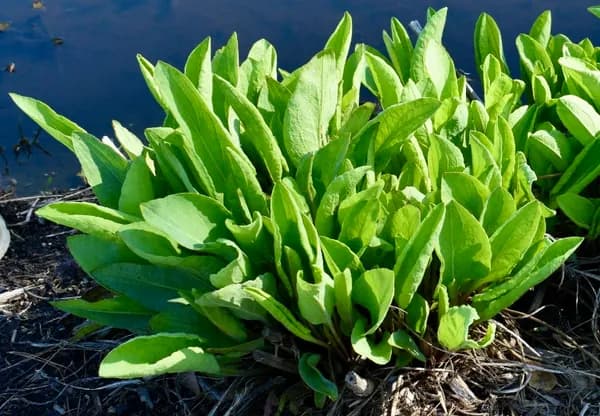
- Giant coneflower: Cathy Dewitt · CC BY 4.0. Resized, converted to WebP and cropped for display.
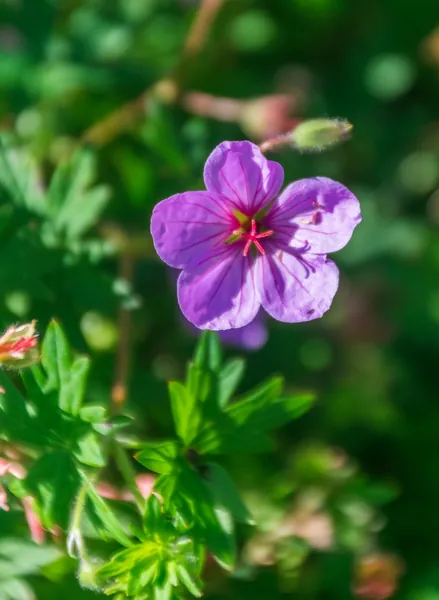
- 'Dilys' geranium: Krzysztof Golik · CC BY-SA 4.0. Resized, converted to WebP and cropped for display.
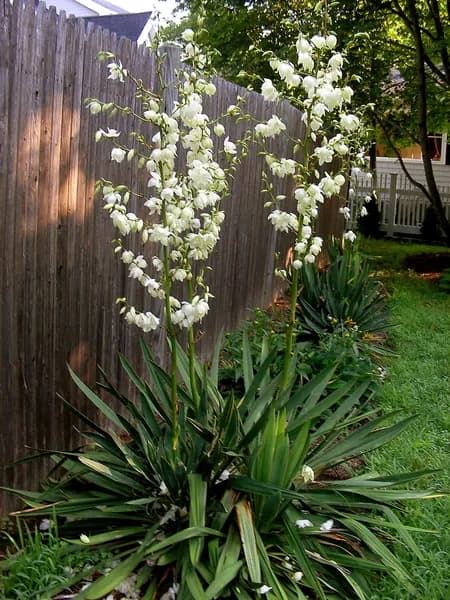
- Adam's needle yucca: Carl Lewis · CC BY 2.0. Resized, converted to WebP and cropped for display.