
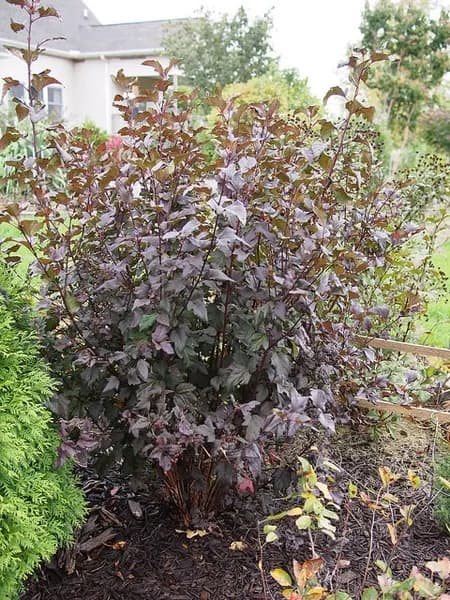
Ninebark is a deciduous shrub with clusters of pale flowers and peeling bark that becomes easier to see once the leaves have fallen.
- Height
- 152–244 cm / 5–8 ft
- Spread
- 121–183 cm / 4–6 ft
- Light
- Full sun / Partial shade
- Soil moisture
- Dry / Moist, well-drained
- Flowering
- Spring, Summer
- Foliage
- Deciduous
- Maintenance
- Medium
- USDA zones
- 2a–8b
Planting
Choose sun or partial shade and slightly acidic, well-drained soil, from dry to moderately moist. It tolerates varied ground and appreciates some shade in hotter regions.
Care
If shaping is needed, prune just after flowering because the next flowers grow on older wood. For a full rejuvenation, the shrub can be cut to the ground in winter.
Before planting: Powdery mildew and fireblight can occur.

Planting Ninebark?
Find a landscaper nearby to help with planting and establishment.
Find a landscaperMore plants to explore
Sources & photo credit
Plant reference: NC State Extension Gardener Plant Toolbox. Content checked . Flowering seasons vary with local climate; USDA zones describe winter cold tolerance.
- Ninebark: F. D. Richards · CC BY-SA 2.0. Resized, converted to WebP and cropped for display.
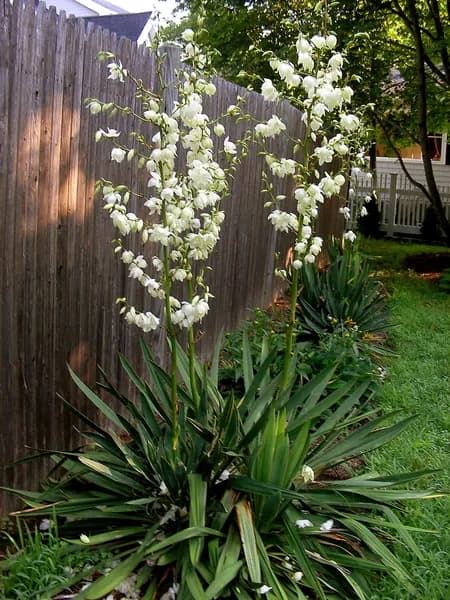
- Adam's needle yucca: Carl Lewis · CC BY 2.0. Resized, converted to WebP and cropped for display.
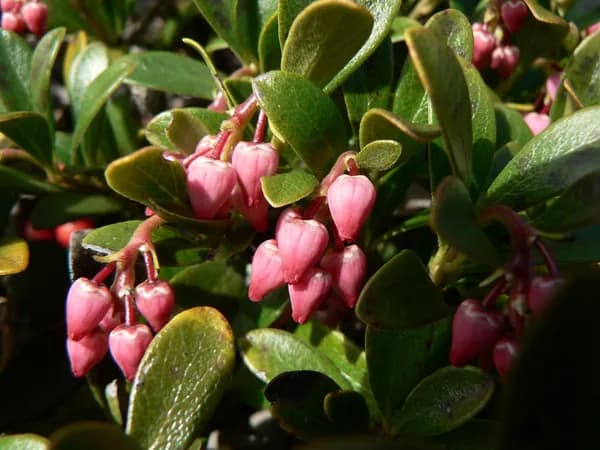
- Bearberry: Walter Siegmund · CC BY-SA 3.0. Resized, converted to WebP and cropped for display.
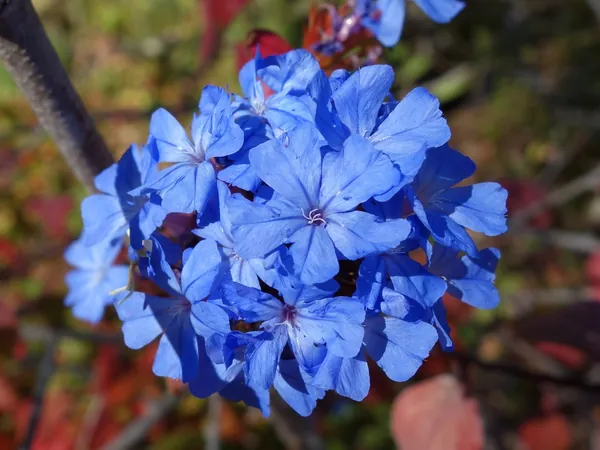
- Chinese leadwort: Daderot · CC0 1.0. Resized, converted to WebP and cropped for display.