
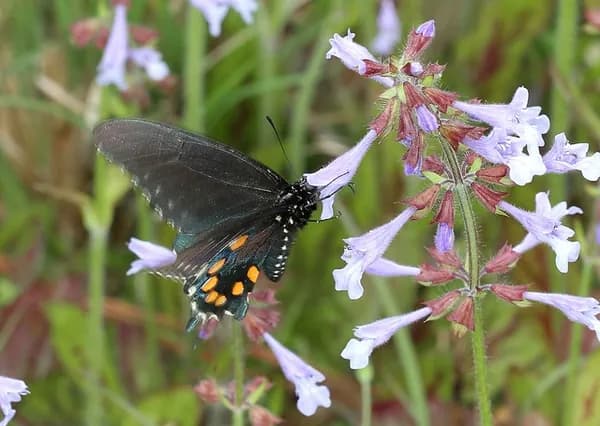
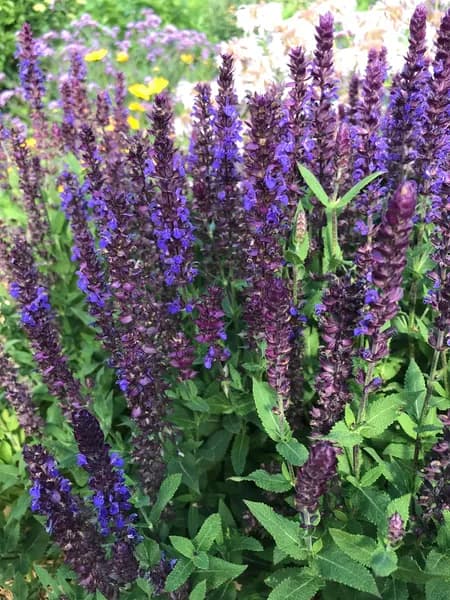
Lyreleaf sage forms low rosettes of lobed leaves, with pale blue to lavender spring flowers that attract bees above the foliage.
- Height
- 30–61 cm / 1–2 ft
- Spread
- 15–31 cm / 0.5–1 ft
- Light
- Full sun / Partial shade
- Soil moisture
- Dry / Moist, well-drained
- Flowering
- Spring
- Foliage
- Deciduous
- Maintenance
- Medium
- USDA zones
- 5a–8b
Planting
Choose sun or partial shade and average to poor, moderately moist, well-drained soil. Its low growth tolerates mowing and can be used in meadow or lawn-style planting.
Care
Collect seed before the capsules dry completely if you want more plants. Leave sections of dead hollow stems standing to provide nesting places for bees.
Before planting: It reseeds readily in loose, sandy soil.
Planting Lyreleaf sage?
Find a landscaper nearby to help with planting and establishment.
Find a landscaperMore plants to explore
Sources & photo credit
Plant reference: NC State Extension Gardener Plant Toolbox. Content checked . Flowering seasons vary with local climate; USDA zones describe winter cold tolerance.
- Lyreleaf sage: John Flannery · CC BY 2.0. Resized, converted to WebP and cropped for display.
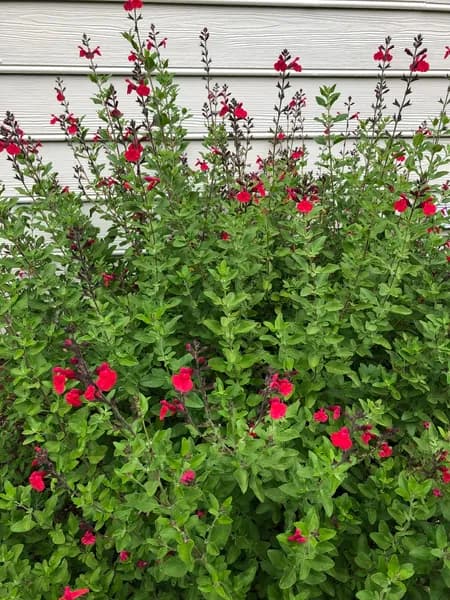
- Autumn sage: Cathy Dewitt · CC BY 4.0. Resized, converted to WebP and cropped for display.
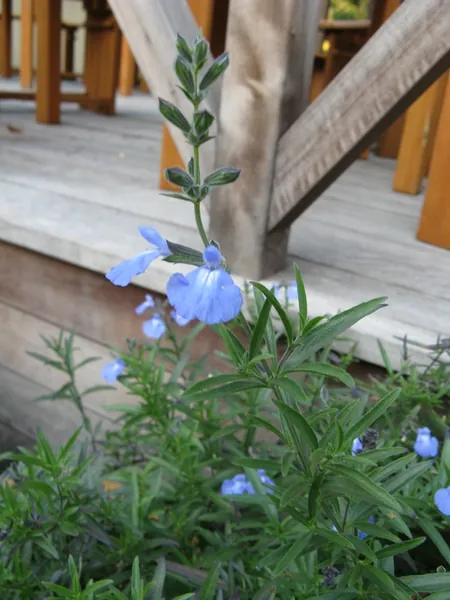
- Blue sage: KENPEI · CC BY-SA 3.0. Resized, converted to WebP and cropped for display.
- Woodland sage: K. Andre · CC BY 2.0. Resized, converted to WebP and cropped for display.