
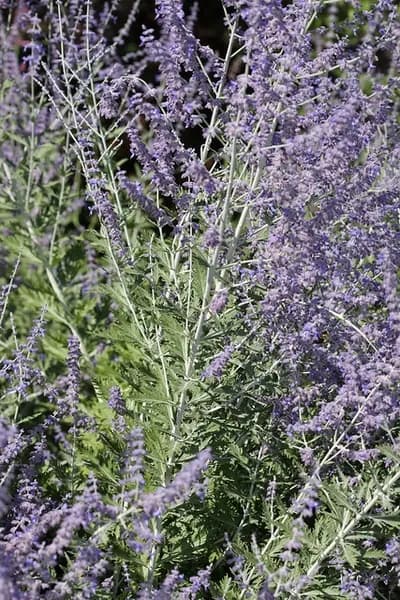
Russian sage combines aromatic silver-grey foliage with airy purple flower spikes, adding height and movement to sunny borders with dry soil.
- Height
- 60–122 cm / 2–4 ft
- Spread
- 60–122 cm / 2–4 ft
- Light
- Full sun
- Soil moisture
- Dry
- Flowering
- Fall, Summer
- Foliage
- Deciduous
- Maintenance
- Low
- USDA zones
- 5a–9b
Planting
Choose full sun and freely draining soil for a dry border or gravel planting. Strong light improves flowering and helps stems stay more upright as the plant matures.
Care
Cut stems back to a few inches above ground in early spring to encourage fresh seasonal growth. Check sprawling stems as summer progresses, since even established clumps can lean.
Before planting: Avoid wet or poorly drained soil.
Planting Russian sage?
Find a landscaper nearby to help with planting and establishment.
Find a landscaperMore plants to explore
Sources & photo credit
Plant reference: NC State Extension Gardener Plant Toolbox. Content checked . Flowering seasons vary with local climate; USDA zones describe winter cold tolerance.
- Russian sage: Andrey Zharkikh · CC BY 2.0. Resized, converted to WebP and cropped for display.
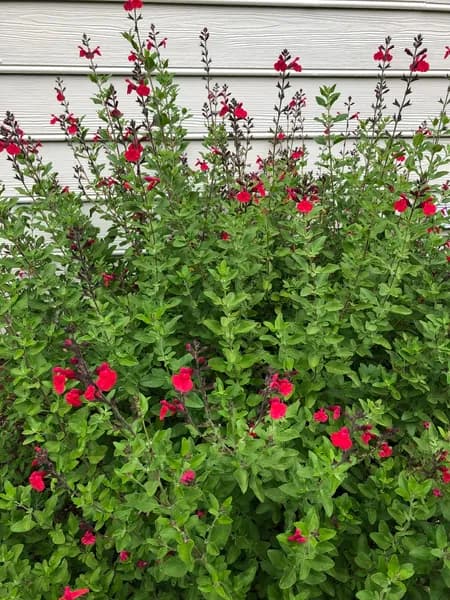
- Autumn sage: Cathy Dewitt · CC BY 4.0. Resized, converted to WebP and cropped for display.
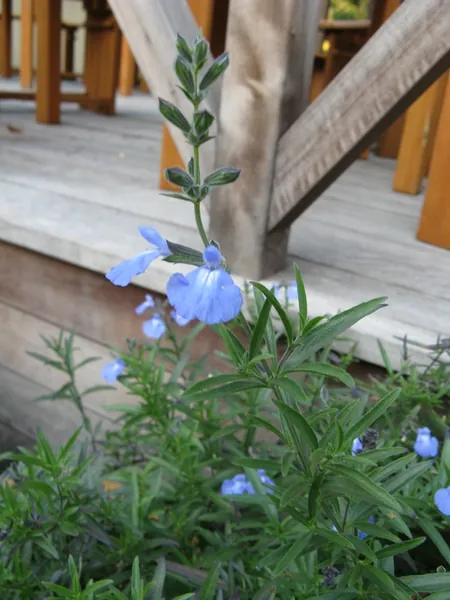
- Blue sage: KENPEI · CC BY-SA 3.0. Resized, converted to WebP and cropped for display.
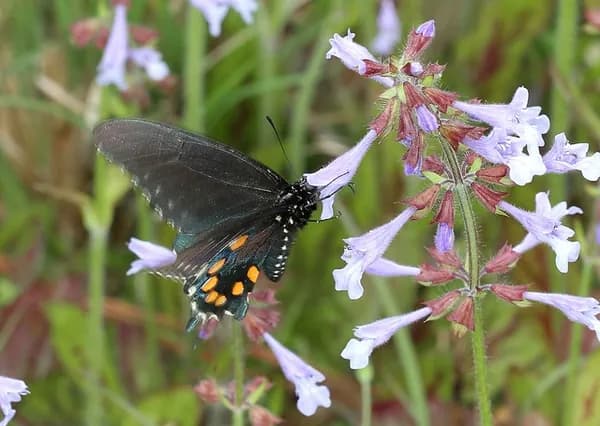
- Lyreleaf sage: John Flannery · CC BY 2.0. Resized, converted to WebP and cropped for display.